2026 Gas Appliance Regulations Europe-what Changes Now

- 01. 2026 gas appliance regulations Europe - what changes now
- 02. Core legal framework in 2026
- 03. Key 2026 changes on gas boilers and heating
- 04. Impact on gas cookers and stoves
- 05. Energy efficiency and emissions in 2026
- 06. Installation and retrofitting rules by 2026
- 07. Practical impact on manufacturers, retailers, and households
- 08. Illustrative 2026 gas appliance standards and timelines
- 09. Future outlook beyond 2026
2026 gas appliance regulations Europe - what changes now
In 2026, the EU gas appliance regulations continue to pivot around Regulation (EU) 2016/426 (the Gas Appliances Regulation, or GAR), which remains the core legal framework for gas cookers, boilers, water heaters, and related gas-burning appliances in Europe. What changes in 2026 are not a single new law, but a set of tightening technical standards, market-surveillance practices, and national bans on certain new installations-especially on gas boilers and water heaters in new buildings-driven by the European Green Deal and the Energy Performance of Buildings Directive (EPBD) revisions. For consumers and installers, this means stricter safety conformity, higher efficiency requirements, and a growing de-facto phasing-out of fossil-gas heating in new homes.
Core legal framework in 2026
The anchor for all gas appliance approvals in the EU is Regulation (EU) 2016/426, which entered full application on 21 April 2018 and replaced the older Gas Appliance Directive 2009/142/EC. This regulation applies to appliances burning gaseous fuels used for cooking, heating, hot water production, refrigeration, lighting, and washing, along with their fittings (valves, regulators, safety devices). It sets out "essential requirements" on safety, construction, and information, while leaving specific technical solutions to harmonised standards such as EN 30-series gas cookers and EN 15502-series boilers.
By 2026, national authorities have fully embedded GAR into their market-surveillance regimes, meaning that any new gas appliance model must carry CE marking, full technical documentation, and a conformity assessment by a notified body where required. Non-compliant products can be withdrawn from the market, and manufacturers are expected to demonstrate that their designs reflect the "state of the art" in terms of combustion efficiency and emissions control. This is especially relevant for gas boilers and central heaters, which are now subject to both GAR and separate eco-design and energy-labelling rules.
Key 2026 changes on gas boilers and heating
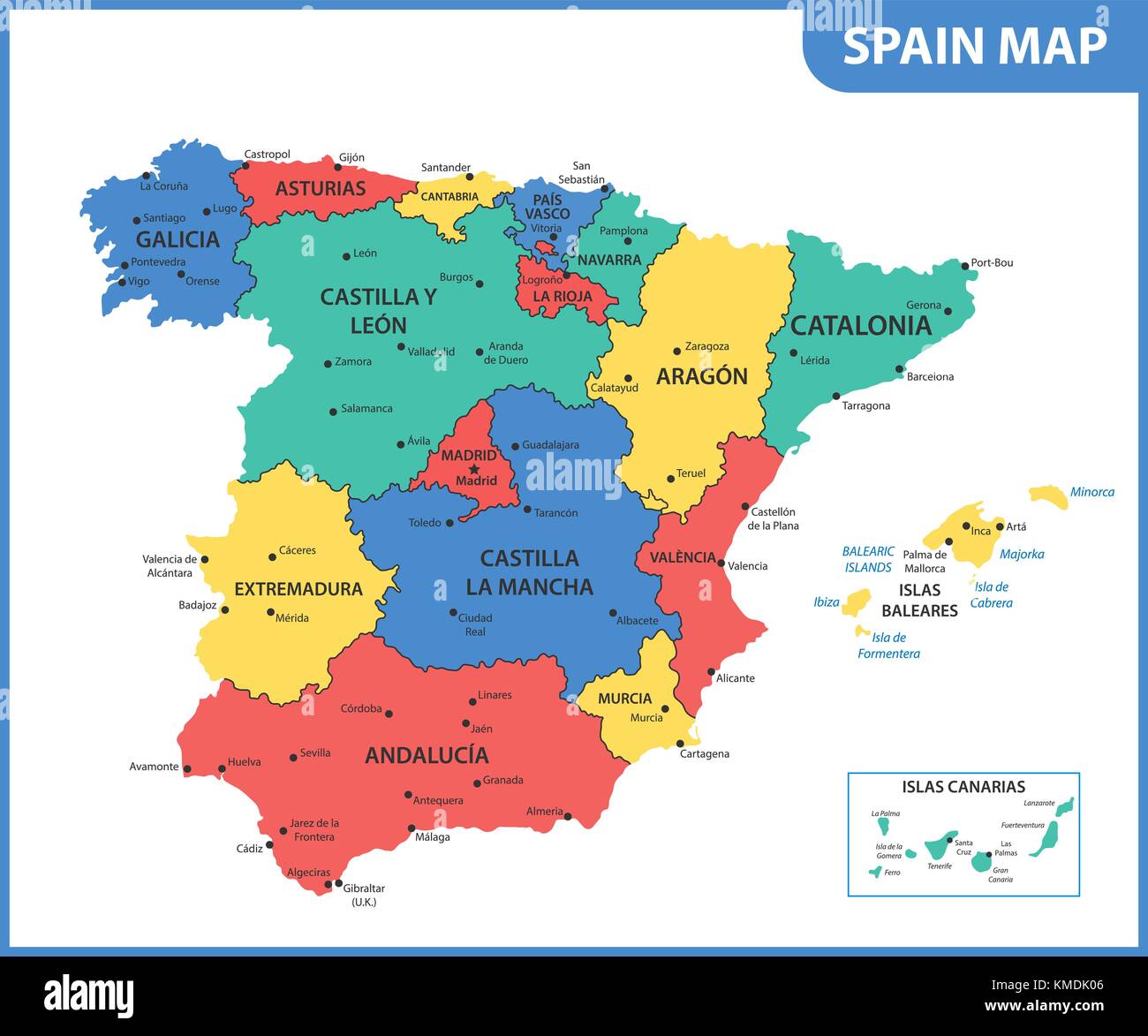
One of the most visible 2026 shifts is the increasing number of EU countries that ban new gas boiler installations in residential buildings, aligning with the EPBD's push toward near-zero-emission buildings by 2030-2035. As of 2026, several member states-including the Netherlands, parts of Germany, and regions in Spain-no longer allow gas boilers in new homes, effectively making heat pumps, solar thermal, or district-heating systems the default for new construction. The gas heating phase-out is gradual: existing gas boilers can usually remain in service, but replacement or upgrade projects are strongly steered toward low-carbon alternatives via subsidies and tax incentives.
From a regulatory standpoint, 2026 also sees updated harmonised standards for gas safety devices that feed into GAR compliance. For example, EN 88-related standards for gas pressure regulators and EN 15502-series standards for gas-fired central heating boilers have been revised to tighten leakage thresholds, improve flame supervision, and raise minimum energy efficiency levels. This means that, even if a gas boiler is technically still legal, it may need to meet newer EN benchmarks to receive CE marking and be sold or installed in 2026.
Impact on gas cookers and stoves
For domestic gas cooking appliances, 2026 primarily brings updated harmonised standards rather than outright bans. The 2024-2025 update list for GAR includes EN 30-2-1:2024 ("Rational use of energy - General") for gas cookers, which pushes manufacturers to reduce standby losses, improve burner control, and clarify energy-use information for kitchens. These standards are voluntary unless referenced in the Official Journal of the EU, after which they carry a presumption of conformity with the safety and energy-efficiency requirements of Regulation (EU) 2016/426.
As a result, many leading brands have begun rolling out 2025-2026 gas ranges with features such as electronic flame supervision, automatic shut-off, and improved draft-resistant burners to meet the new EN thresholds. Retailers and installers in the EU are now expected to stock only GRP-compliant models and to provide consumers with clear energy-label information and installation manuals that list the exact gas type and pressure conditions for which the appliance is certified.
Energy efficiency and emissions in 2026
On the energy efficiency front, gas appliances in 2026 are increasingly squeezed between GAR's general efficiency clauses and more specific EU eco-design regulations. For boilers, current EU eco-design rules for space heaters and water heaters already require minimum seasonal space heating efficiencies in the 89-92% range for condensing gas boilers, and gas water heaters must meet specified load-profile efficiency thresholds. By 2026, national enforcement authorities are citing these benchmarks more consistently during market-surveillance checks, and non-compliant stock faces higher risks of recall or withdrawal.
In parallel, gas appliances are under pressure to reduce nitrogen-oxide (NOₓ) emissions and other combustion pollutants, especially in dense urban areas with air-quality plans under the EU Ambient Air Quality Directive. Some cities now impose local ordinances requiring lower-NOₓ burners or additional flue-gas treatment for new gas heating installations, even when the EU-level gas appliance rules only set minimum safety and performance thresholds. This patchwork of national and local rules is one reason manufacturers are investing more in hybrid systems (gas + electric heat pump) and low-NOₓ burner technologies.
Installation and retrofitting rules by 2026
From 2026, gas appliance installation in many EU countries is constrained not only by GAR but also by national building codes and energy-performance labels. For example, when replacing a gas boiler in a renovated home, installers may be required to demonstrate that the new unit meets at least the latest EN 15502-2-2 efficiency and safety class, and that the building's overall energy performance certificate (EPC) will not fall below minimum thresholds. In some jurisdictions, purely fossil-gas heating may no longer qualify for public subsidies or grants, while electrified systems such as heat pumps or hydrogen-ready hybrids are prioritised.
At the same time, ongoing harmonisation of gas supply conditions across the EU-driven by Annex II of GAR-means that gas networks are increasingly standardised in terms of gas composition and pressure ranges. This helps manufacturers design appliances that can be sold across multiple member states without needing radically different variants, while also simplifying the work of gas installers and technicians who must calibrate appliances for the specific gas type supplied at each site.
Practical impact on manufacturers, retailers, and households
For appliance manufacturers, 2026 represents a continuation of the move toward stricter conformity-assessment procedures and more frequent standard updates. Leading producers now routinely conduct risk assessments for explosions, fires, asphyxiation, and poisoning by combustion gases, and must document these in technical files that can be inspected by notified bodies and market-surveillance authorities. Non-EU manufacturers exporting gas appliances into the EU must also appoint an authorised representative within the bloc and ensure that their CE marking and user manuals are fully compliant with GAR and national language requirements.
For retailers and installers, the 2026 landscape means greater due-diligence on product documentation, an emphasis on recommending higher-efficiency gas models, and in many cases actively steering customers toward low-carbon alternatives. Some EU member states have also increased the frequency of inspection visits and imposed fines for installing non-compliant or unregistered gas appliances, particularly in rental housing and social-housing blocks. Households, meanwhile, face a bifurcating market: existing gas appliances can often remain, but new installations of gas boilers or high-emission heaters are increasingly discouraged or blocked by national policy.
Illustrative 2026 gas appliance standards and timelines
- Regulation (EU) 2016/426: Full application since 21 April 2018; remains the core gas appliance legal framework in 2026.
- EN 30-2-1:2024: New harmonised standard for domestic cooking appliances promoting rational energy use, referenced in GAR and used for 2025-2026 models.
- EN 15502-2-2:2024: Standard for type B1 gas-fired central heating boilers, tightening efficiency and safety thresholds applicable to new boiler designs in 2026.
- EN 88-2/88-3 and EN 125: Updated standards for gas pressure regulators and flame supervision devices, effective from 2022-2024 and now routinely enforced in 2026 market checks.
- Manufacturers complete risk assessments and technical documentation for all gas-burning products under GAR.
- Products are tested against the latest harmonised EN standards and obtain CE marking via a notified body where required.
- Distributors verify that appliances match the local gas supply conditions and that installation manuals are provided in the correct languages.
- Market-surveillance authorities run 2025-2026 sampling campaigns on gas boilers and cookers, focusing on leakage, flame stability, and labelling compliance.
- Non-compliant batches are withdrawn, and manufacturers must issue corrective actions or redesigns if persistent issues are found.
| Standard | Appliance type | Key focus in 2026 |
|---|---|---|
| EN 30-2-1:2024 | Domestic gas cookers | Energy-use rationalisation, standby efficiency, clearer labelling. |
| EN 15502-2-2:2024 | Central gas boilers (type B1) | Higher seasonal efficiency, improved safety shut-off and controls. |
| EN 88-2:2022+A1:2024 | Gas pressure regulators (50-500 kPa) | Leak-tightness, stability under pressure fluctuations. |
| EN 125:2022+A1:2024 | Flame supervision devices | Reliability of thermoelectric flame detection and response time. |
Future outlook beyond 2026
Looking ahead, policymakers expect the 2026 gas appliance context to evolve into a broader transition from pure fossil-gas devices toward hybrid and gas-alternative systems. Several EU member states are experimenting with hydrogen-ready boilers and gas blends that contain a share of renewable gases, although full hydrogen grids are not yet widespread. At the same time, the updated F-gas Regulation (EU) 2024/573 places additional pressure on fluorinated greenhouse gases often used in heat-pump-based hybrid systems, nudging the market toward low-GWP alternatives.
By 2030-2035, analysts project that fossil-gas heating appliances in new buildings will be effectively phased out in most EU countries, leaving GAR mainly relevant for maintenance units, cooking appliances, and retrofit applications in the short-to-medium term. Manufacturers and installers who master the 2026-style gas-appliance rules-combining safety, precise documentation, and strong energy-efficiency performance-will be best positioned to navigate this transition and retain market share as the EU's energy landscape shifts.
Key concerns and solutions for 2026 Gas Appliance Regulations Europe What Changes Now
What are the main 2026 changes for gas boilers in Europe?
In 2026 the main changes for gas boilers are tighter technical standards, stricter market-surveillance enforcement, and more national bans on new gas heating installations in buildings, especially new homes. Key updates come from revised EN 15502-series standards that raise efficiency and safety requirements, while countries use Energy Performance of Buildings rules to steer builders and households toward heat pumps and low-carbon alternatives instead of fossil-gas boilers.
Are gas cookers and ovens still allowed in the EU in 2026?
Yes, gas cooking appliances remain fully permitted in the EU in 2026, but they must comply with the latest version of Regulation (EU) 2016/426 and referenced harmonised standards such as EN 30-2-1:2024 on rational use of energy. This means that new gas cookers must meet updated safety and efficiency benchmarks, and retailers are expected to sell only properly CE-marked models with clear installation instructions and gas-type specifications.
Do 2026 rules ban existing gas appliances from continued use?
No, 2026-era gas appliance regulations do not generally ban existing gas boilers, cookers, or heaters from continued use, as long as they remain safe and are properly maintained. The restrictions mainly target new installations-especially gas heating in new buildings-and the sale of non-compliant models, while allowing existing appliances to be serviced or replaced with compliant units if owners choose to keep them.
How do gas appliance rules in 2026 affect household energy bills?
The 2026 gas appliance rules can indirectly influence household energy bills by encouraging more efficient boilers and cookers, which may reduce annual gas consumption by roughly 5-15% compared with older, non-compliant models, depending on the technology and usage profile. At the same time, national policies that limit new gas-heating installations and promote heat pumps or solar thermal can shift households toward higher upfront costs but lower long-run energy and carbon costs, especially where electricity is decarbonising.
What should manufacturers do to stay compliant with 2026 gas appliance rules?
To stay compliant in 2026, gas appliance manufacturers must fully document risk assessments, update technical files to reflect the latest EN standards, and ensure that all products carry CE marking supported by notified-body assessments where required. They should also monitor national market-surveillance notices, align labelling and user manuals with local language and gas-supply conditions, and proactively redesign any product lines that would fall short of emerging efficiency or low-NOₓ thresholds before major 2026-2030 phases of the European Green Deal.