Essential Oils For Pain Relief Effectiveness-truth Or Hype?

- 01. What "effective" means for essential oils
- 02. What the science says (human evidence)
- 03. What the science says (mechanisms)
- 04. Oil-by-oil: what people typically use
- 05. How to use essential oils safely
- 06. What to expect: realistic timelines
- 07. Implementation checklist
- 08. Clinical context: musculoskeletal vs neuropathic
- 09. Stats that help you judge results
- 10. FAQ
- 11. What to ask your clinician
Essential oils can reduce some types of pain when used as a topical add-on or through aromatherapy, but the overall evidence base is limited and mixed-so the most effective, evidence-aligned approach is "adjunct use," not replacement of standard care.
To evaluate "essential oils for pain relief effectiveness," you need to look at (1) what kind of pain is being treated (musculoskeletal vs. neuropathic), (2) whether outcomes were measured in controlled trials, and (3) whether studies used consistent oil composition and dosing.
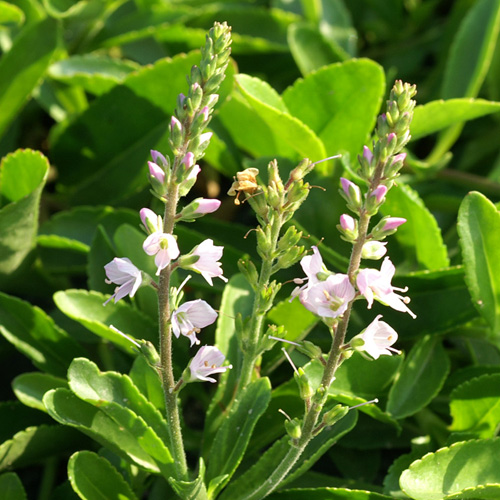
Pain intensity outcomes look most promising in certain musculoskeletal settings where topical essential oil therapies were tested versus placebo, including randomized controlled trial evidence summarized in recent systematic review work.
- Musculoskeletal pain: Evidence suggests a favorable effect on pain intensity compared with placebo in some trials.
- Neuropathic/inflammatory pain: The research picture includes more preclinical work, with clinical results less definitive.
- Consistency & dosing: Results vary by oil composition, preparation quality, and protocol heterogeneity.
- Safety approach: Use caution with skin irritation, avoid ingestion, and consider interactions with medications and conditions.
What "effective" means for essential oils
In pain research, "effective" usually means measurable improvement in an outcome like pain intensity (often a standardized scale), plus a clinically meaningful difference that holds up against placebo and controls.
Most real-world essential oil use is "adjunctive," meaning it is intended to complement-not replace-pain medications, physical therapy, or other treatments.
Even when trials show benefit, the key nuance is magnitude and consistency: the effect may be modest, and not all studies align.
What the science says (human evidence)
A 2023 systematic review and meta-analysis focused on topical essential oils in musculoskeletal disorders concluded that essential oil therapy had a favorable effect on pain intensity compared with placebo, based on eight included randomized controlled trials.
Importantly, the same review emphasizes that clinical efficacy has been controversial, which is a warning label for readers who want a simple "yes/no" answer.
One reason for controversy is that essential oils are not a single drug: they're complex mixtures, and product quality, formulation, and application technique can differ substantially between studies and consumers.
What the science says (mechanisms)
From a mechanistic standpoint, essential oils are often discussed as influencing pain receptors, neurotransmitters, inflammatory mediators, and immune signaling, along with the psychological and emotional aspects of pain.
However, translating mechanisms into consistent clinical benefit is difficult because different essential oils contain different active constituents, and trial protocols vary in a way that can dilute or exaggerate effects.
That's why the best interpretation of "effectiveness" is condition-specific (what pain type?) and study-specific (what formulation, what dose, what comparison?).
Oil-by-oil: what people typically use
Consumers commonly reach for certain oils because of their traditional use and plausible biological activity; for instance, peppermint, lavender, eucalyptus, and rosemary oils are frequently mentioned in pain-related guidance.
But if your goal is evidence-led decision-making, treat these as candidate options, not proven analgesics on the same level as prescription medicines.
Use the following table as a "decision support" summary of commonly used oils and what they're claimed to do-then cross-check with the specific oil's evidence and a clinician when pain is severe, persistent, or accompanied by red flags.
| Essential oil (commonly used) | Typical pain-relief rationale | Evidence confidence (practical) | Most reasonable use case |
|---|---|---|---|
| Peppermint oil | Cooling sensation that may ease sore muscle discomfort | Low-to-moderate for clinical pain claims | Localized musculoskeletal aches (adjunct) |
| Lavender oil | Relaxation/tension reduction; may indirectly reduce pain perception | Low-to-moderate for pain outcomes | Stress-linked or tension-related discomfort |
| Eucalyptus oil | Anti-inflammatory properties are often proposed | Low-to-moderate | Comfort-focused adjunct for joint/muscle discomfort |
| Rosemary oil | Anti-inflammatory and analgesic pathways are often discussed | Low-to-moderate | Adjunct for stiffness and localized aches |
Example protocol (non-medical): people often dilute essential oils in a carrier oil for topical application rather than applying undiluted oil directly, because undiluted oils can be irritating for many skin types.
How to use essential oils safely
For safety, the most evidence-aligned mindset is to prevent harm first: avoid ingestion, patch test topical products, and stop use if you get irritation or worsening symptoms.
Because essential oils can be biologically active, you should also consider medication interactions and underlying conditions-especially if you're using other topical agents or have sensitive skin.
If pain is severe, new after injury, associated with fever, unexplained weight loss, neurological deficits, or chest symptoms, use essential oils only as a comfort measure while seeking medical evaluation.
What to expect: realistic timelines
In many aromatherapy and topical comfort contexts, perceived relief can be noticeable quickly for some people, but that does not automatically mean the effect is large or durable.
Clinical pain trials often examine outcomes at defined time points, which can make it hard for consumers to match their expectations to what was actually measured in the study.
So the most honest metric is: "Did symptoms improve on the specific outcome I care about-pain intensity, stiffness, or sleep-over a reasonable trial window for my situation?"
Implementation checklist
Below is a practical step-by-step approach for testing effectiveness without overcommitting or skipping necessary care.
- Pick one oil and one route (topical dilution or aromatherapy) to reduce confounding.
- Patch test first, then start low and adjust only if there's no irritation.
- Track pain intensity (for example, morning vs. evening) and note sleep or stress changes.
- Stop if symptoms worsen, rash appears, or pain escalates beyond your usual baseline.
- If you're using oils alongside care plans, share them with your clinician to reduce interaction risk.
Clinical context: musculoskeletal vs neuropathic
Human evidence is comparatively stronger for musculoskeletal disorders where topical essential oils were assessed in randomized controlled trials and summarized in meta-analytic work.
For neuropathic and inflammatory pain, the wider body of research includes substantial preclinical activity, but clinical certainty is less established, which affects how confidently you should claim "effectiveness."
That difference matters: if your pain pattern is neuropathic (burning, shooting, numbness), treat oils as adjunct support while prioritizing evidence-based neuropathic pain management.
Stats that help you judge results
In the musculoskeletal-focused systematic review and meta-analysis, eight randomized controlled trials contributed to the quantitative synthesis, supporting a favorable effect on pain intensity compared with placebo.
Because trials differ in design and immediate outcomes, "effect size" in the real world should be interpreted cautiously: a helpful average in pooled data may not match every individual experience.
To make this practical, many clinicians recommend treating essential oils as a "comfort experiment" and using structured tracking rather than relying on anecdote alone-especially when you're deciding whether to continue.
FAQ
What to ask your clinician
If you want to use essential oils in a way that supports evidence-based care, bring specific details to your appointment: which oil, concentration/dilution, application frequency, and how you track pain.
That detail helps clinicians assess risk vs benefit for your condition and medication regimen, rather than evaluating essential oils as a vague "alternative."
Rule of thumb: when pain is persistent, disabling, or changing, treat essential oils as optional adjunct comfort and prioritize diagnosis and evidence-based treatment.
If you're trying to answer "Essential oils for pain relief effectiveness backed by science?" the most science-aligned verdict is: there is some promising human evidence for topical use in certain musculoskeletal disorders, but you should expect variability and use structured tracking rather than guarantees.
Everything you need to know about Essential Oils For Pain Relief Effectiveness Truth Or Hype
Do essential oils really work for pain?
Some clinical evidence suggests topical essential oils can reduce pain intensity versus placebo for certain musculoskeletal disorders, but results are inconsistent across studies and the broader evidence base is still considered limited and controversial.
Which essential oil is best for pain relief?
There is no universally "best" essential oil backed by uniform, high-quality clinical evidence across all pain types; the best choice depends on the oil, the route (topical vs aromatherapy), and the specific pain condition you're targeting.
How quickly should I feel effects?
Some people report quick comfort changes, but trial-based results vary and perceived relief doesn't always translate into durable clinical improvement, so track pain intensity over time to judge real effectiveness for your situation.
Can I use essential oils instead of medication?
No-essential oils are best treated as adjunctive comfort measures, because pain conditions can be complex and essential oils are not a substitute for standard diagnosis and evidence-based pain management.
Are there safety risks?
Yes: essential oils can irritate skin, cause allergic reactions, and raise interaction considerations; patch testing and avoiding ingestion are common-sense precautions, and you should stop use if you get irritation or worsening symptoms.