Normandy Culinary Gems Tourists Miss

Normandy Food Highlights You Need
Normandy culinary tourism is about tasting the region's most iconic foods where they are made: creamy cheeses in the countryside, oysters and scallops along a 600km coastline, apple cider and Calvados in orchard country, and classic dishes such as teurgoule, andouille de Vire, and the Mont-Saint-Michel salt-marsh lamb. The best trip blends markets, producers, seaside harbors, and historic towns like Rouen, Honfleur, and Dieppe into one food-focused itinerary.
Why Normandy Matters
Normandy's table is shaped by three defining ingredients: dairy, seafood, and apples. Regional tourism sources describe Normandy as one of France's major gastronomic regions, with cheeses like Camembert, Livarot, Pont-l'Évêque, and Neufchâtel, plus cider, perry, pommeau, and Calvados anchoring the local drink culture. The coastline also matters: Normandy tourism highlights its shellfish and scallops, and notes that oysters from places such as Saint-Vaast-la-Hougue are part of the area's protected food identity.
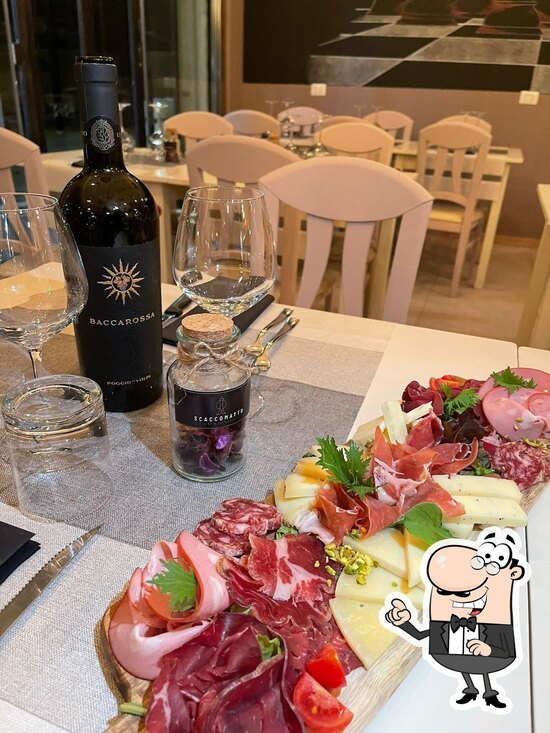
"A journey through Normandy tastes like the sea, the orchard, and the farm in one meal."
Signature Foods
Regional specialties are the fastest way to understand the area's food identity. Camembert is the headline cheese, but the broader cheese board is just as important, especially when tasted at a farm shop or village market. On the savory side, Normandy also stands out for scallops, mussels, oysters, tripe from Caen, and salt-marsh lamb raised near Mont-Saint-Michel.
- Camembert, the region's most famous soft cheese.
- Livarot, known for a stronger aroma and bold flavor.
- Pont-l'Évêque, a square cheese with a gentler profile.
- Neufchâtel, a historic cheese often associated with the Pays de Bray.
- Scallops, especially prized on the coast and in port towns.
- Oysters and mussels, served fresh near the shoreline.
- Teurgoule, a cinnamon rice pudding closely tied to Norman home cooking.
Best Places To Eat
Food towns in Normandy each bring a different strength to the itinerary. Rouen is a natural starting point because of its restaurant culture and long culinary reputation, while Honfleur and Trouville add harbor dining and seafood tradition. Bayeux and the landing-beach area work well for travelers who want history and local cuisine in the same day, and the Pays d'Auge countryside is the best base for cheese, cider, and orchard visits.
| Place | What to try | Why it stands out |
|---|---|---|
| Rouen | Duck dishes, cream sauces, fine dining | Strong urban food scene and historic restaurant culture |
| Dieppe | Scallops, fish stew, seafood platters | Major fishing-port atmosphere and direct access to fresh catch |
| Honfleur | Oysters, cider, coastal bistros | Picturesque harbor dining with easy regional access |
| Pays d'Auge | Camembert, cider, Calvados | Classic orchard-and-dairy landscape for tastings |
| Mont-Saint-Michel area | Salt-marsh lamb, omelet, seafood | Iconic landscape paired with distinctive local farming |
Food Routes And Markets
Cider routes are one of the clearest ways to experience Normandy as a culinary destination. Travelers commonly follow orchard roads through the Pays d'Auge to sample cider, pommeau, and Calvados directly from producers, often pairing tastings with cheese stops and village bakeries. Local markets are equally important because they reveal the everyday food culture of the region, from teurgoule and butter-rich pastries to shellfish sold fresh by coastal vendors.
- Start with a market visit in a town such as Houlgate, Bayeux, or Rouen.
- Sample a cheese flight that includes Camembert, Livarot, Pont-l'Évêque, and Neufchâtel.
- Book a cider or Calvados tasting in the Pays d'Auge.
- Eat lunch in a harbor town such as Dieppe or Honfleur for seafood.
- Finish with a dessert such as teurgoule, apple tart, or Isigny caramel.
What To Drink
Norman drinks are as central as the food, and they often define the rhythm of the meal. Cider can be dry or sweet, perry is made from pears, pommeau blends apple juice and Calvados, and Calvados itself is the region's most famous apple brandy. In a traditional meal, a small pour of Calvados may appear as a trou normand, a palate-clearing pause between courses that reflects how deeply apple culture shapes local dining.
Historical Context
Normandy cuisine carries a long regional history, with cheese-making traditions commonly linked to the medieval era and the area's monastic and farm economies. The cuisine developed from practical geography: a cool coastline for seafood, fertile pasture for cattle and sheep, and orchards that turned apples and pears into shelf-stable drinks and spirits. This is why the region's food feels so coherent; each major product comes directly from the landscape rather than from a single iconic recipe.
Seasonal eating also matters in Normandy because the best experiences change through the year. Scallops and oysters are especially attractive in cooler months, cider tastings fit harvest season, and summer brings the easiest market-hopping and seaside dining. Visitors who time their trips carefully often get the strongest combination of freshness, variety, and producer access.
Practical Planning
First-time visitors should plan around a simple rule: combine one coastal stop, one orchard stop, and one market town. That structure gives the widest view of Norman food without rushing. It also works well for short trips, because each stop reinforces a different part of the region's identity: sea, dairy, and apples.
- Best for seafood: Dieppe, Honfleur, and the Normandy coast.
- Best for cheese: Pays d'Auge villages and farm producers.
- Best for cider and Calvados: orchard routes in Calvados and nearby areas.
- Best for classic dining: Rouen and other historic inland towns.
- Best for food plus scenery: Mont-Saint-Michel and the surrounding salt marshes.
Frequently Asked Questions
Why It Works
Food tourism in Normandy succeeds because the region offers more than one culinary story. Travelers can move from a fishing port to a cheese dairy to an orchard without leaving the regional identity behind. That makes Normandy especially appealing for visitors who want a destination that feels both practical and distinctive, with enough variety for a weekend trip or a longer gourmet itinerary.
Key concerns and solutions for Normandy Culinary Gems Tourists Miss
What foods is Normandy best known for?
Normandy is best known for its cheeses, seafood, cider, Calvados, and apple-based desserts. The most iconic items include Camembert, scallops, oysters, teurgoule, and salt-marsh lamb.
Where should I go for a food trip in Normandy?
Rouen is best for restaurants, Dieppe for seafood, the Pays d'Auge for cider and cheese, and the Mont-Saint-Michel area for salt-marsh lamb and scenic dining. A short food trip usually works best if it combines one inland stop and one coastal stop.
Is Normandy good for wine lovers too?
Normandy is much stronger in cider and Calvados than in wine. Visitors interested in drinks usually focus on apple- and pear-based beverages rather than vineyards.
What is the best season for culinary tourism in Normandy?
Late spring through early autumn is easiest for markets, orchards, and scenic road travel, while cooler months are often excellent for shellfish and richer dishes. The best season depends on whether the focus is seafood, cider, or cheese.