White Flour Processing: What Really Happens To Your Grain

White Flour Processing Differences
White flour is made by removing most or all of the bran and germ from wheat, then milling the remaining endosperm into a fine powder; the biggest processing differences are whether the flour is roller-milled or stone-milled, whether it is bleached or unbleached, and whether nutrients are added back through enrichment. Those choices change the flour's color, shelf life, texture, baking behavior, and nutritional profile, which is why two bags labeled "white flour" can perform very differently in the kitchen and in the body.
How White Flour Is Made
The milling process usually starts with cleaning the wheat to remove dirt, stones, metal, and damaged kernels, followed by conditioning or tempering, where a controlled amount of water toughens the bran so it separates more cleanly from the starchy interior. Modern mills then crack the kernels open, sift the fragments, and repeatedly grind and re-sift the material until the whitest, finest fraction of the endosperm becomes flour.
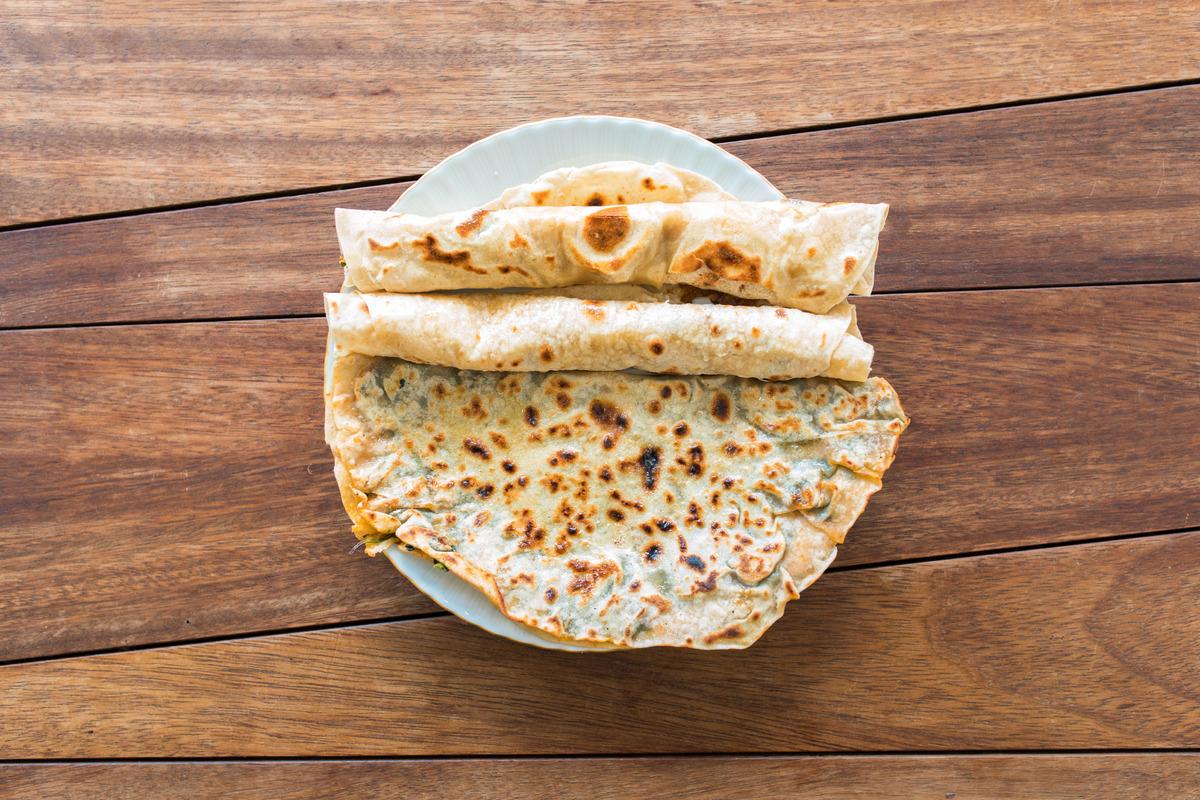
That basic sequence is why white flour is considered a refined grain product: the outer bran layer and oil-rich germ are reduced or removed, leaving mainly the endosperm. The practical result is a flour that is lighter in color, lower in fiber, and more stable on the shelf than whole-grain flour, but also less nutrient-dense unless the mill adds vitamins and minerals back later.
Main Processing Differences
The most important processing differences fall into four categories: how the grain is separated, whether the flour is bleached, whether it is enriched, and how fine the final particle size becomes. Each one changes the flour in a measurable way and helps explain why cake flour, all-purpose flour, bread flour, and pastry flour behave so differently even when all of them look "white."
| Processing step | What happens | Main effect on flour | Common result |
|---|---|---|---|
| Roller milling | Steel rollers crack and grind the grain in stages | Very fine, consistent flour with efficient separation | Most commercial white flour |
| Stone milling | Grain is ground between stones with less aggressive separation | Slightly coarser texture, more heat retention if not carefully controlled | Some artisan white flour |
| Bleaching | Oxidizing agents whiten the flour and alter pigment compounds | Brighter color, softer baking characteristics | Cake and pastry flour |
| Enrichment | Selected vitamins and iron are added back | Restores part of what milling removed | Enriched white flour |
Roller Milling Versus Stone Milling
Roller milling is the dominant industrial method because it separates bran and germ efficiently, produces a highly uniform flour, and allows millers to control texture very precisely. This method is ideal for large-scale baking because it creates predictable gluten performance and a consistent particle size, which matters for breads, crackers, noodles, and packaged goods.
Stone milling uses rotating millstones instead of steel rollers, so the grain is crushed more directly and often less selectively. Depending on how it is adjusted, stone milling can leave more of the grain's natural components in the flour or simply yield a different texture, but it generally produces less uniform output than commercial roller mills.
In practical baking terms, roller-milled flour tends to be finer and more consistent, while stone-milled flour can bring slightly more flavor and a more rustic feel. The difference is not just philosophical; it affects how fast water is absorbed, how smooth the dough feels, and how evenly a cake or loaf rises in the oven.
Bleached Versus Unbleached
Bleached flour is treated to speed up whitening and aging, often producing a softer, lighter flour that works well in cakes, cookies, and pastries. Bleaching also changes flour chemistry enough to influence gluten development, which is one reason bakers often prefer it for tender baked goods rather than chewy breads.
Unbleached flour is not chemically whitened, so it keeps a slightly creamier tone and typically undergoes natural aging instead. It is still refined flour, but it usually behaves differently in dough because it has not been treated to the same degree, making it a common choice for bread baking and general-purpose cooking.
"White flour is not one single product; it is a family of refined flours shaped by milling method, treatment, and blending choices."
Enrichment and Nutrition
When wheat is refined into white flour, the bran and germ are mostly removed, and with them go most of the fiber, oils, and many naturally occurring micronutrients. That is why many white flours are enriched with selected nutrients such as iron and B vitamins: enrichment is designed to restore part of what the milling process removed, not to make the flour identical to whole wheat.
From a nutrition standpoint, the important distinction is between what is taken out and what is added back. White flour can still be useful in a balanced diet, but it is generally lower in fiber and less nutrient-dense than whole-grain flour, which means it raises blood sugar more quickly and contributes less to satiety.
Functional Baking Effects
Baking performance changes because protein content, starch damage, particle size, and oxidation level all shift during processing. Fine, highly refined white flour can produce delicate cakes and tender pastries, while stronger white bread flour is adjusted to support more gluten development and a chewier crumb.
In simple terms, flour made for pastry is usually engineered to stay soft, flour made for bread is often engineered to stretch and trap gas, and all-purpose flour sits between the two. That is why "white flour" on a label does not tell you enough by itself; the processing profile matters just as much as the color.
Why It Matters
The biggest real-world difference is that white flour is not just "flour that looks pale." It is a processed ingredient shaped by how much of the original grain remains, how finely it was milled, whether it was bleached, and whether the nutrients were replaced afterward. Those variables determine whether the flour is best suited to fluffy cakes, sturdy sandwich bread, or everyday cooking.
For consumers, the label clues are straightforward: "enriched," "bleached," "unbleached," "bread flour," and "cake flour" each indicate a different processing choice. For bakers, those choices matter because they influence absorption, rise, crumb, tenderness, and shelf life in ways that can be dramatic even before any recipe is changed.
Step by Step
- Wheat is cleaned to remove foreign material and damaged kernels.
- The grain is conditioned with moisture so the bran separates more cleanly.
- The kernels are broken open, usually with rollers.
- Bran and germ are sifted away from the endosperm.
- The endosperm is repeatedly ground and screened into finer flour.
- The flour may be bleached, enriched, blended, and packaged.
Common Misconceptions
One common myth is that all white flour is chemically treated in the same way. In reality, some white flours are simply refined and unbleached, while others are bleached or specially blended for a specific baking use.
Another misconception is that white flour is nutritionally empty. It is true that refining reduces fiber and many naturally occurring nutrients, but enriched white flour still contains added iron and B vitamins in many markets, which makes it different from plain refined flour that has not been fortified.
FAQ
Everything you need to know about White Flour Processing What Really Happens To Your Grain
What is the main difference between white flour and whole wheat flour?
White flour is made mostly from the endosperm, while whole wheat flour keeps the bran and germ as well, so whole wheat has more fiber, more natural nutrients, and a denser texture.
Is bleached flour worse than unbleached flour?
Bleached flour is not automatically worse; it is simply processed differently to whiten and soften it, and it is often preferred for cakes and pastries, while unbleached flour is more common for breads and general baking.
Why is enriched flour used so often?
Enriched flour is common because milling removes several nutrients, and enrichment adds back selected vitamins and minerals to improve the final nutritional profile of the flour.
Does white flour always mean heavily processed?
White flour is refined, but the level of processing varies widely depending on milling method, particle size, bleaching, and enrichment, so not every white flour is processed in exactly the same way.
Which white flour is best for bread?
Bread flour is usually best because it has a higher protein level and is processed to support gluten development, which helps the dough trap gas and rise properly.